The Role of Ensinger in Advancing Medical Plastics Machining
Ensinger's Commitment to Medical Plastics Machining
Overview of Ensinger's Role in the Industry
Ensinger stands as a leader in the field of medical plastics machining, dedicated to advancing the capabilities and applications of medical-grade plastics. The company’s commitment to high-quality manufacturing processes sets it apart from competitors. Ensinger specializes in providing tailored solutions to the medical device industry, ensuring that products meet stringent regulatory requirements while delivering performance and reliability. Their extensive experience in machining and processing various polymers allows them to create components that cater specifically to the needs of healthcare professionals and patients alike. By focusing on innovation and quality, Ensinger plays a crucial role in shaping the landscape of medical plastics.
Innovative Solutions in Medical Grade Plastics
Ensinger continually pushes the boundaries of what is possible with medical-grade plastics. By leveraging cutting-edge technologies and materials, the company develops innovative solutions that enhance the functionality and safety of medical devices. Their range of extruded and machined plastics includes high-performance options designed for specific applications, such as surgical instruments, implantable devices, and diagnostic equipment. Each product undergoes rigorous testing to ensure compliance with industry standards, including biocompatibility. This focus on innovation not only addresses current market demands but also anticipates future needs, positioning Ensinger at the forefront of medical plastics machining.
Technological Advancements in Medical Plastics Machining
CNC Machined Components for Medical Devices
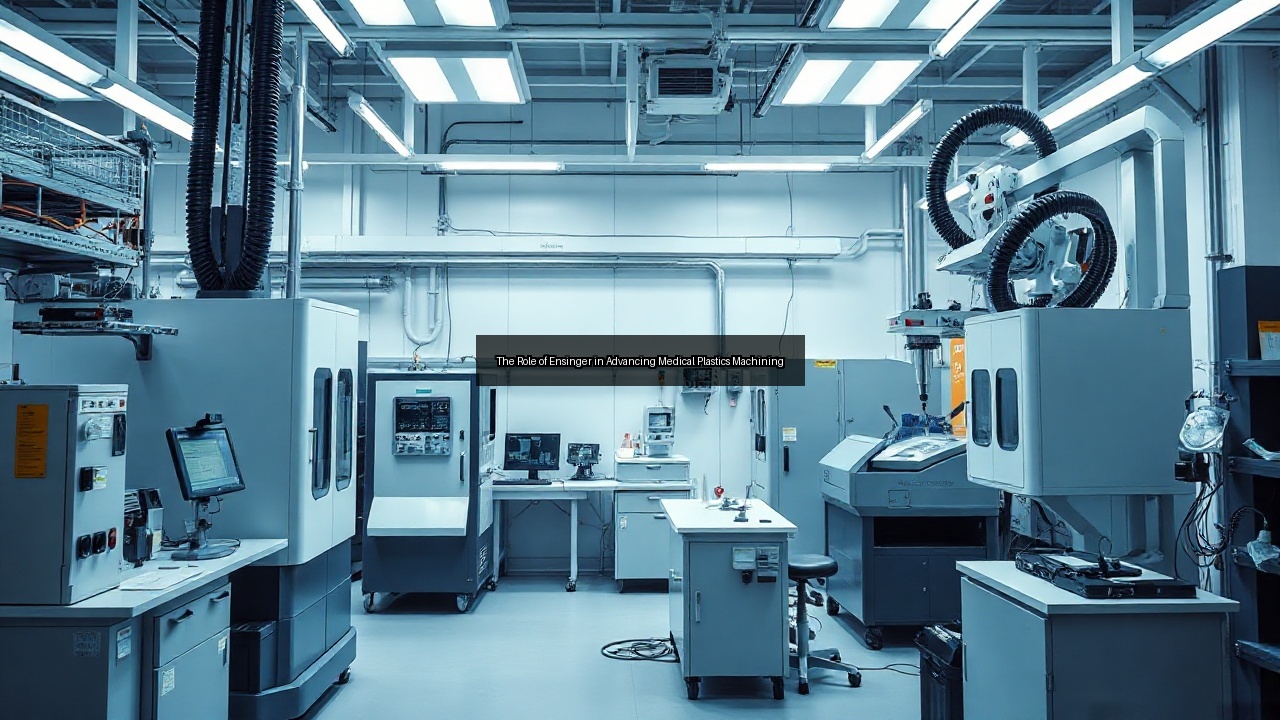
CNC machining has revolutionized the production of components in the medical device sector. Ensinger utilizes state-of-the-art CNC machines to produce parts with exceptional precision and consistency. This technology allows for the creation of complex geometries and tight tolerances, which are essential for the functionality and reliability of medical devices. Whether manufacturing housings for electronic devices or intricate surgical tools, CNC machining ensures that every component meets the exact specifications required for safe usage in clinical settings. The ability to produce high-quality parts quickly and efficiently enables medical manufacturers to reduce lead times and respond to market demands effectively.
Injection Molding Techniques for Precision Parts
Injection molding plays a pivotal role in the production of plastic components tailored for medical applications. Ensinger employs advanced injection molding techniques to create precision parts with minimal waste and high repeatability. This method allows for the mass production of complex shapes and designs while maintaining strict medical machining quality standards. The use of thermoplastics in injection molding contributes to the lightweight and durable nature of medical devices, enhancing their usability and performance. Ensinger's expertise in this area ensures that every part produced meets the stringent requirements of medical regulations, making their injection-molded components reliable for critical medical applications.
Thermoplastic and its Role in Medical Applications
Thermoplastics have revolutionized the medical field due to their versatility and superior properties. Ensinger offers a diverse range of thermoplastic materials that exhibit excellent chemical resistance, thermal stability, and mechanical strength. These characteristics make thermoplastics ideal for a wide array of medical applications, including sterilization processes where materials must withstand high temperatures and harsh chemicals. Ensinger's commitment to using high-performance thermoplastics allows manufacturers to create devices that not only meet functional requirements but also enhance patient safety. By embracing the advantages of thermoplastics, Ensinger continues to manufactured lead the way in medical plastics machining.
Quality Standards and Compliance in Medical Plastics Manufacturing
FDA Regulations and Medical Grade Certifications
Compliance with FDA regulations stands as a critical aspect of medical plastics manufacturing. Ensinger remains vigilant in adhering to these regulations to ensure that all products meet the necessary safety and quality standards. Medical-grade certifications validate the suitability of materials for use in healthcare applications, providing assurance to manufacturers and end-users alike. By maintaining compliance with regulatory requirements, Ensinger establishes trust within the medical community. Their commitment to quality is reflected in their meticulous manufacturing processes, which are designed to meet or exceed the expectations set by governing bodies and industry standards.
Ensuring Biocompatibility in Plastics
Biocompatibility is a vital consideration in the development of medical devices, as it determines how materials interact with biological systems. Ensinger prioritizes the use of biocompatible plastics that undergo rigorous testing to ensure they do not elicit adverse reactions when in contact with human tissue. The selection of appropriate materials is crucial for applications such as implants, where direct interaction with the body occurs. Ensinger's dedication to providing biocompatible options not only enhances the safety of medical devices but also promotes patient confidence in the products they use. This focus on biocompatibility underscores the importance of quality throughout the manufacturing process.
Maintaining Tolerances for High Performance Plastics
High-performance plastics require meticulous attention to tolerances during the machining process. Ensinger employs advanced measurement and quality control techniques to ensure that every component meets the precise specifications required for medical applications. Tight tolerances are essential for ensuring the functionality and compatibility of parts, especially in complex assemblies. The company's commitment to maintaining these tolerances reflects its dedication to producing reliable and effective medical devices. By investing in technology and expertise, Ensinger guarantees that its products not only meet but exceed industry standards, ensuring optimal performance in critical healthcare settings.
The Future of Medical Plastics and Machining
Trends in Near Net Shapes for Medical Applications
The trend towards near net shapes in medical plastics machining is gaining momentum as manufacturers seek to optimize production efficiency and reduce waste. Ensinger embraces this approach by designing components that closely match the desired final shape, minimizing the need for extensive machining. This strategy not only cuts down on material usage but also accelerates the production process, allowing for quicker turnaround times. As the demand for customized medical devices increases, near net shapes will play a pivotal role in meeting those needs while maintaining high quality and performance standards. Ensinger's forward-thinking approach positions it as a key player in this evolving landscape.
The Impact of Genesis Medical Plastics on the Market
Genesis Medical Plastics has made significant strides in transforming the landscape of medical plastics machining. By introducing innovative materials and processes, Genesis enhances the capabilities of manufacturers to create advanced medical devices. Their focus on developing high-performance plastics tailored for the medical sector aligns with Ensinger's commitment to quality and innovation. As the market evolves, the collaboration between established manufacturers like Ensinger and emerging players like Genesis will drive advancements in medical plastics machining. This synergy will lead to the development of safer, more effective medical machining medical devices that improve patient outcomes and contribute to the overall efficiency of the healthcare system.
See Also
- How Extruded Medical Plastics are Revolutionizing Device Design
- The Evolution of Plastics Processing in the Medical Field
- The Intersection of Quality Standards and Medical Plastics Machining
- Unlocking the Future of Healthcare with Advanced Medical Plastics Machining
- Injection Molding vs CNC Machining in Medical Plastic Production