The Role of Industrial Dehumidifiers in Food Packaging Preservation
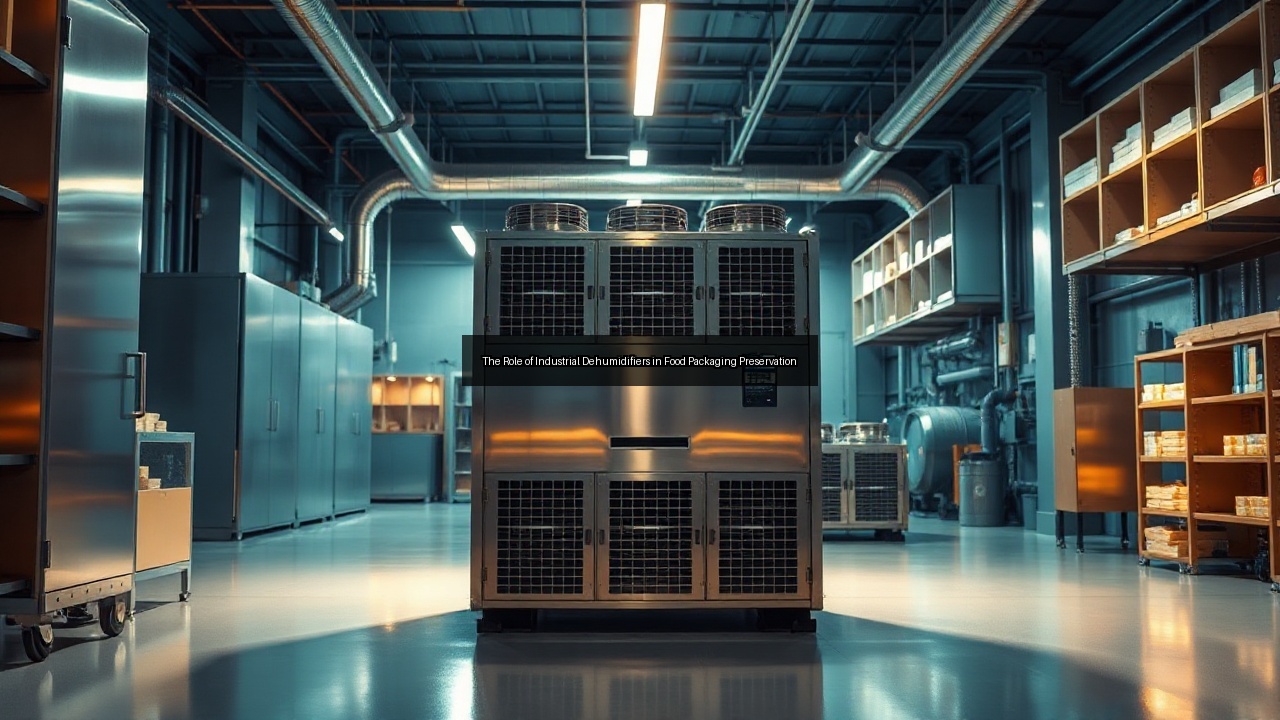
Understanding Industrial Dehumidifiers
The Science of Dehumidification
Dehumidification involves the removal of moisture from the air, a critical process in various industries, especially food packaging. An industrial dehumidifier employs two primary methods for moisture removal: refrigeration and desiccant techniques. Refrigeration dehumidifiers cool the air, causing moisture to condense and drain away. In contrast, desiccant dehumidifiers use hygroscopic materials that absorb moisture from the air. This science is essential in maintaining optimal humidity levels, which directly affects food preservation. By controlling air moisture, companies can extend the shelf life of products, reduce spoilage, and maintain quality.
Types of Industrial Dehumidifiers
Industries rely on different types of industrial dehumidifiers based on their specific needs. Refrigeration dehumidifiers are popular for environments with high humidity, effectively cooling the air to remove moisture. They work well in food storage and manufacturing facilities. On the other hand, desiccant dehumidifiers are ideal for low-temperature settings, making them suitable for electronics and pharmaceuticals. Each type has its advantages and is chosen based on factors like the required humidity level, the volume of air that needs treatment, and energy efficiency. Understanding these types enables businesses to select the right dehumidifier for their operations.
Key Components: Blowers and HVAC Systems
The effectiveness of an industrial dehumidifier hinges on its key components, including blowers and HVAC systems. Blowers circulate air within the system, ensuring consistent airflow and moisture removal. A well-designed blower can enhance the efficiency of the dehumidification process, leading to lower operational costs. HVAC systems often integrate dehumidifiers, providing a comprehensive climate control solution. These systems distribute conditioned air throughout a facility while maintaining the desired humidity levels. Understanding these components allows businesses to optimize their dehumidification systems, ensuring product quality and operational efficiency.
Impact of Humidity on Food Packaging
The Role of Air Moisture in Food Preservation
Air moisture plays a significant role in food preservation. High humidity can lead to the growth of mold and bacteria, compromising food safety and quality. Inadequate moisture control can also cause packaging materials to weaken, leading to leaks and spoilage. Proper dehumidification ensures that food products remain fresh and safe for consumption. By maintaining appropriate humidity levels, businesses can extend shelf life, preserve texture and flavor, and minimize waste. The interaction between air moisture and food packaging underlines the importance of investing in efficient industrial dehumidifiers.
Dew Points and Their Effects on Packaging
Dew points represent the temperature at which air becomes saturated with moisture, leading to condensation. This phenomenon can severely impact food packaging. When dew points rise, moisture can collect on packaging surfaces, leading to degradation and potential contamination. Understanding dew points is crucial for food manufacturers. By implementing effective dehumidification strategies and monitoring dew points, businesses can prevent condensation and maintain the integrity of their packaging. This proactive approach not only safeguards products but also enhances consumer trust and brand reputation.
Case Studies: Humidity Control in Food Industry
Numerous case studies illustrate the importance of humidity control in the food industry. One notable example involves a bakery that implemented industrial dehumidifiers to manage moisture levels. Prior to installation, the bakery faced issues with mold and reduced product quality. After integrating a dehumidifier system, the bakery observed a significant reduction in spoilage, improved texture, and extended shelf life. Another case involves a meat processing facility that utilized desiccant dehumidifiers to control humidity during packaging. The result was a marked improvement in product safety and a reduction in waste. These examples demonstrate how effective humidity management can transform food packaging practices.
Selecting the Right Industrial Dehumidifier
Factors to Consider: CFM and Capacity
Choosing the right industrial dehumidifier requires careful consideration of several factors, including CFM (cubic feet per minute) and capacity. CFM measures the volume of air a dehumidifier can process, directly impacting its efficiency. A higher CFM means the unit can handle larger spaces or higher moisture loads. Capacity, on the other hand, refers to the amount of moisture the dehumidifier can remove in a given time frame. Businesses must assess their specific needs—such as room size, humidity levels, and desired moisture removal rates—to select a model that meets their operational requirements effectively.
Dehumidifier Options for Various Industries
Industrial dehumidifiers come in various models suited for different sectors. Food packaging facilities often opt for refrigeration dehumidifiers due to their ability to handle high humidity levels effectively. Conversely, electronics manufacturers may prefer desiccant dehumidifiers, which perform well in lower temperatures and prevent moisture-related damage. The pharmaceutical industry also benefits from specialized units designed to maintain strict humidity levels to ensure product integrity. By understanding the unique requirements of their industry, businesses can make informed decisions when selecting an industrial dehumidifier.
Troubleshooting Common Issues
Even the best industrial dehumidifiers can encounter issues that hinder dehumidifying performance. Common problems include inadequate moisture removal, strange noises, or frequent cycling. Troubleshooting starts with checking the filter and ensuring it is clean to maintain optimal airflow. Monitoring CFM and humidity levels can help identify if the unit meets the operational demand. Additionally, inspecting the blower and HVAC connections ensures that the system operates efficiently. Regular maintenance and prompt troubleshooting can significantly extend the lifespan of industrial dehumidifiers, ensuring continued effectiveness in moisture control.
Future Trends in Dehumidification Technology
Innovations in Desiccant Technology
Desiccant technology is evolving rapidly, with innovations enhancing efficiency and effectiveness. New materials and designs improve moisture absorption capabilities, reducing energy consumption. Advanced sensors now provide real-time data on humidity levels and system performance, allowing for smarter climate control. These innovations contribute to cost savings and improved environmental sustainability. As industries increasingly prioritize efficiency, advancements in desiccant technology will play a crucial role in shaping the future of industrial dehumidification.
The Role of Industrial Dehumidifiers in the Pharmaceutical Industry
The pharmaceutical industry relies heavily on precise climate dehumidifier for industry control to maintain the integrity of sensitive products. Industrial dehumidifiers play a critical role in ensuring that humidity levels remain within strict parameters. With advances in technology, these dehumidifiers offer enhanced monitoring capabilities and energy-efficient operation. By maintaining optimal conditions, manufacturers can protect their products from moisture-related degradation, ensuring compliance with stringent regulatory standards. The growing demand for high-quality pharmaceuticals emphasizes the importance of reliable dehumidification systems in this sector.
Sustainability and Energy Efficiency in Dehumidification
As industries become more environmentally conscious, sustainability and energy efficiency in dehumidification technology gain prominence. Manufacturers now focus on creating energy-efficient industrial dehumidifiers that minimize energy consumption while maintaining performance. Innovations, such as variable-speed blowers and smart controls, contribute to reduced operational costs and lower carbon footprints. By prioritizing sustainable practices, companies not only improve their bottom line but also align with consumer demand for environmentally friendly solutions. The future of industrial dehumidification lies in balancing efficiency with sustainability, ensuring long-term viability for businesses.
See Also
- Comparing Portable and Stationary Industrial Dehumidifiers
- Key Factors to Consider When Buying an Industrial Dehumidifier
- Real-Life Case Studies on Industrial Dehumidification Success Stories
- The Future of Food Packaging How Industrial Dehumidifiers Enhance Shelf Life
- Navigating the Dew Point Understanding the Role of Dehumidifiers in Climate Control