The Importance of Lubricant Quality in Automatic Grease Systems
Understanding Automatic Lubrication Systems
Components of Automatic Lubrication Systems
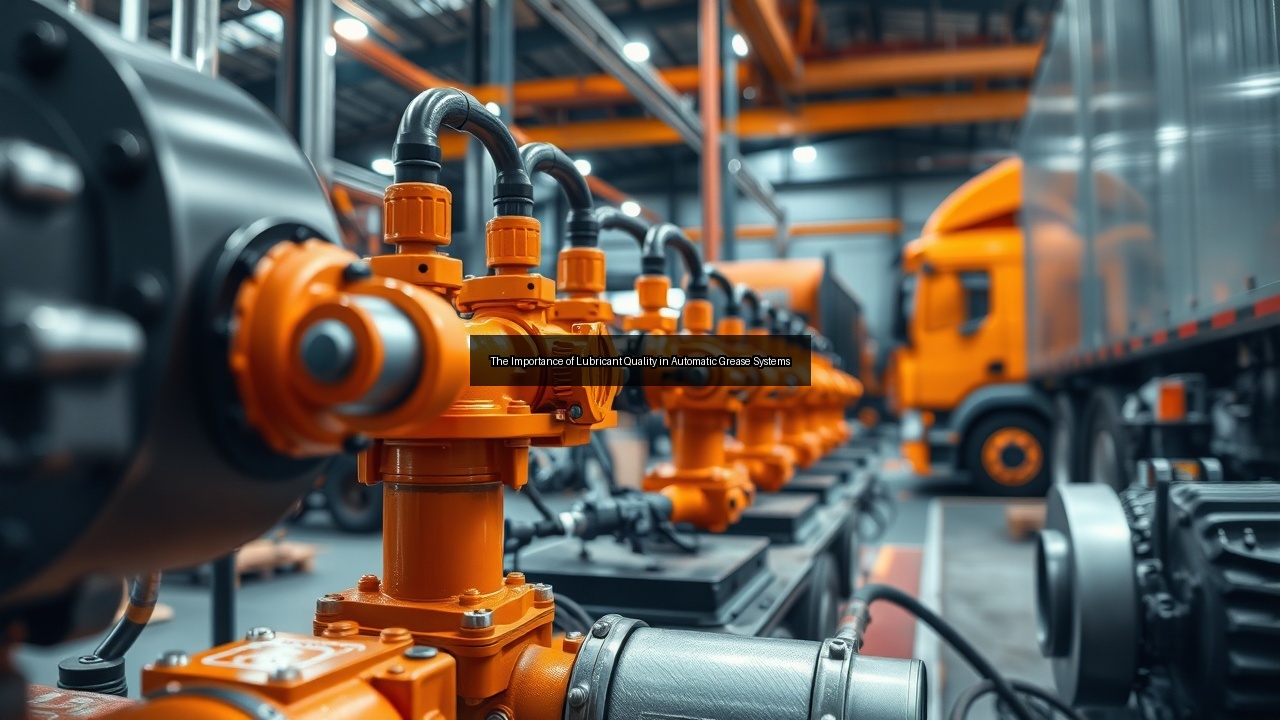
Automatic lubrication systems streamline the lubrication process, ensuring that machinery operates efficiently and reliably. Key components include pumps, which deliver the lubricant to various parts, and automatic lubricators, devices that dispense grease or oil as needed. Other essential parts consist of connectors and hoses that transport the lubricant to bearings and other friction points. This system also integrates sensors for condition monitoring, which track lubricant levels and pressure, allowing for precise management. The entire setup reduces manual labor and minimizes the risk of human error, making it crucial for industries reliant on continuous operation.
How Automatic Lubricators Work
Automatic lubricators function by utilizing a pump to distribute the correct quantity of lubricant to machinery components at set intervals. These systems can operate on a timer or through condition monitoring sensors that respond to actual equipment needs. Once activated, the pump delivers lubricant through tubing to various greasers, ensuring that each bearing receives adequate lubrication. This precise delivery mitigates the risks associated with over- or under-lubrication, which can lead to equipment failure. By maintaining consistent lubrication, automatic grease systems enhance reliability and efficiency, significantly contributing to the longevity of machinery.
Types of Lubricants Used in Automatic Systems
The choice of lubricant plays a pivotal role in the effectiveness of an automatic lubrication system. Common types include grease and oil, each suited for different applications. Grease offers superior adherence to surfaces and is ideal for high-load environments, such as in trucks and trailers. Conversely, oils provide better flow characteristics and are often used in systems requiring high-speed operation, such as compressors and data centers. The specific viscosity of the lubricant also matters; it affects how well the lubricant can withstand pressure and temperature changes. Selecting the right lubricant brand and type for each application ensures optimal performance and reliability.
The Role of Lubricant Quality in System Performance
Impact of Lubricant Quality on Reliability
High-quality lubricants significantly enhance the reliability of automatic lubrication automated lubrication systems. Quality affects not just the performance of the lubricant but also the overall health of the machinery. Subpar lubricants may contain contaminants or lack the necessary additives, leading to increased wear on components like bearings and gears. Such wear raises maintenance costs and can result in costly repairs. In contrast, quality lubricants maintain their properties under diverse operating conditions, ensuring consistent lubrication and reducing the likelihood of breakdowns. Investing in premium lubricants ultimately pays off by extending equipment life and minimizing downtime.
Choosing the Right Lubricant for Different Applications
Selecting the appropriate lubricant for specific applications in an automatic lubrication system is essential. Various factors come into play, including the operating environment, load conditions, and temperature ranges. For example, trucks and trailers often require lubricants that can withstand harsh weather and heavy loads, while data centers demand oils that provide superior thermal stability and fluidity. Understanding these requirements helps in choosing lubricants that perform effectively under the expected operating conditions. Consulting with lubrication experts or manufacturers can also guide decisions on which products best fit the machinery's needs, ensuring optimal performance.
The Importance of Lubricant Viscosity and Pressure
Viscosity is a critical factor in the performance of lubricants in automatic lubrication systems. It defines how easily the lubricant flows and its ability to create a protective film over moving parts. High-viscosity lubricants may provide better protection under heavy loads but can be challenging to pump, especially in colder environments. Conversely, low-viscosity lubricants flow more easily but may not provide sufficient protection under extreme conditions. Furthermore, maintaining the correct pressure within the lubrication system is crucial. Insufficient pressure may lead to inadequate lubricant delivery, while excessive pressure could cause leaks or damage to components. Balancing viscosity and pressure ensures that the system operates smoothly and efficiently.
Maintaining Automatic Grease Systems for Longevity
Routine Maintenance Practices
Routine maintenance practices are vital for the longevity of automatic grease systems. Regularly checking lubricant levels, inspecting hoses and connections for leaks, and ensuring that pumps operate correctly are essential tasks. Scheduled maintenance should include cleaning filters and replacing worn-out parts to prevent failures before they occur. Operators should also monitor the operating conditions of the machinery closely to identify any changes that could signal potential issues. By implementing a proactive maintenance strategy, businesses can avoid unplanned downtime and extend the life of their lubrication systems, ultimately reducing overall maintenance costs.
Condition Monitoring for Optimal Performance
Condition monitoring plays a significant role in maintaining the performance of automatic lubrication systems. Utilizing sensors to track lubricant levels, temperature, and pressure can provide real-time insights into system health. This data allows operators to make informed decisions regarding lubrication intervals and identify potential issues before they escalate. By establishing a routine for condition monitoring, businesses can enhance their maintenance strategies, ensuring that lubricants are applied at the optimal times and quantities. This proactive approach automated lubrication not only improves system reliability but also contributes to cost-effective repairs and maintenance.
Cost-Effective Repairs and Maintenance Strategies
Implementing cost-effective repairs and maintenance strategies can have a substantial impact on the automated lubrication long-term performance of automatic lubrication systems. Prioritizing preventive maintenance reduces the likelihood of unexpected breakdowns, which can be costly and disruptive. Regular training for maintenance staff on best practices and troubleshooting techniques also enhances the efficiency automated lubrication of repairs. Additionally, keeping an inventory of critical spare parts ensures quick responses to component failures, minimizing machine downtime. By focusing on strategic maintenance and repairs, businesses can manage their operational costs while maintaining high levels of reliability in their lubrication systems.
Industry Applications and Benefits
Automatic Lubrication in Trucks and Trailers
In the transportation sector, automatic lubrication systems have revolutionized maintenance practices for trucks and trailers. These systems ensure that critical components such as wheel bearings and chassis parts receive consistent lubrication, significantly reducing wear and tear. The ability to automate lubrication processes minimizes downtime and labor costs associated with manual lubrication. Trucks operating in demanding environments benefit from high-quality lubricants that can withstand extreme conditions, enhancing reliability and performance. This results in longer lifespans for vehicles and components, translating to significant cost savings for fleet operators.
Lubrication Solutions for Data Centers
Data centers require precise cooling and maintenance to ensure optimal performance of servers and other equipment. Automatic lubrication systems play a crucial role in this environment by providing consistent lubrication to fans, pumps, and compressors that manage airflow and cooling. High-quality lubricants designed for these applications help maintain efficiency and reduce energy consumption. By automating lubrication, data centers can minimize the risk of overheating and mechanical failures, ensuring uninterrupted service and protecting sensitive data. This integration of lubrication solutions enhances operational reliability in a sector where downtime can result in substantial financial losses.
Enhancing Compressor Efficiency with Quality Lubricants
Compressors, essential in many industrial applications, benefit greatly from automatic lubrication systems. Proper lubrication minimizes friction, reduces wear, and enhances efficiency. Quality lubricants formulated for compressors can withstand high pressures and temperatures, ensuring optimal operation. Automatic lubrication systems deliver the right quantity of oil or grease at precise intervals, preventing issues such as overheating and equipment failure. Implementing these systems not only extends the life of compressors but also improves energy efficiency, contributing to lower operational costs. This focus on quality lubrication directly impacts the bottom line, making it an essential consideration for manufacturers and operators alike.
See Also
- Choosing the Right Automatic Lubrication System for Your Truck Fleet
- Innovations in Lube Systems How Technology is Changing the Game
- Expert Tips for Maintaining Your Automatic Lubrication System
- The Future of Maintenance How Automatic Lubrication Systems Revolutionize Performance
- The Best Brands for Automatic Lubrication Solutions in 2023