The Critical Role of Machining in the Lifecycle of Aircraft Components
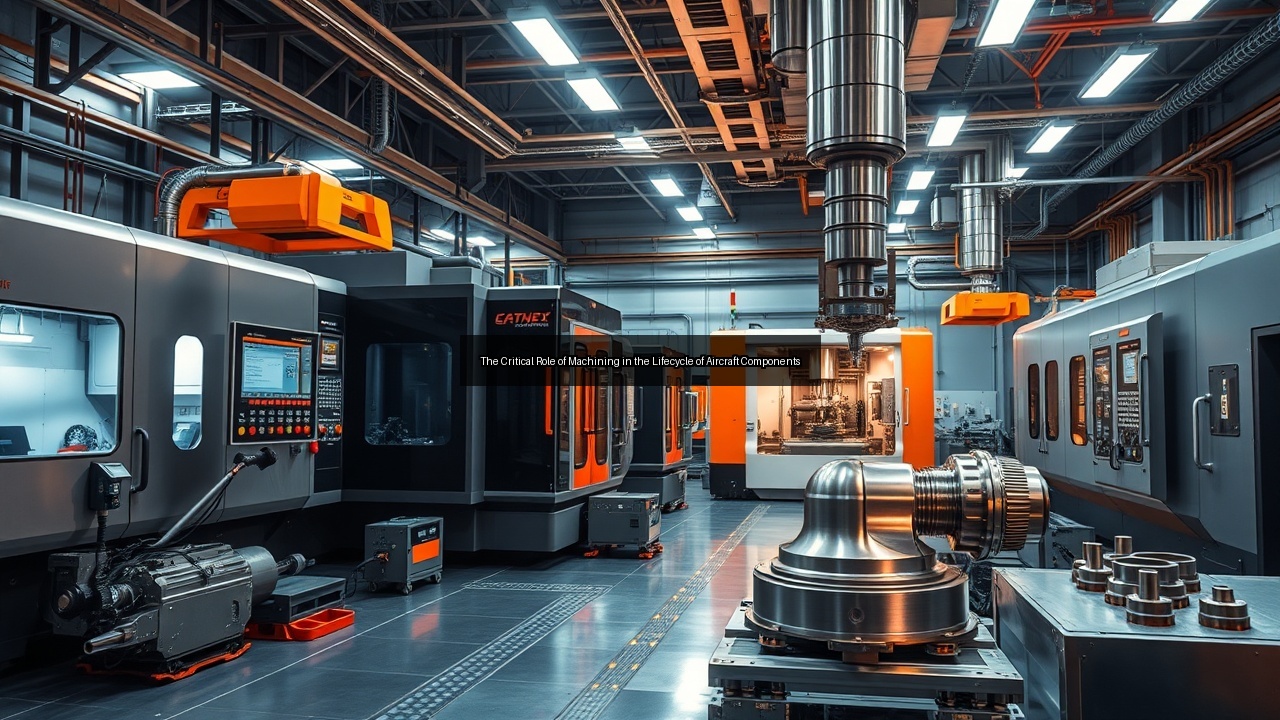
Understanding Aerospace Machining Services
Introduction to Aerospace Machining
Aerospace machining services play a pivotal role in the production and maintenance of aircraft components. This specialized field focuses on the precision machining of parts that require exact specifications and high tolerances. Machinists employ their skills to fabricate components from various metals, including aluminum, titanium, steel, and cobalt, ensuring that each piece meets the rigorous standards of the aerospace industry. The process involves different machining techniques, such as CNC machining, which utilizes computer-controlled tools to achieve the desired shapes and finishes. This advanced technology not only enhances productivity but also ensures that every component is crafted with the utmost precision and accuracy.
The Importance of Precision and Accuracy in Aerospace Components
Precision and accuracy are non-negotiable in aerospace machining. Components like turbine blades, engine parts, and castings must adhere to exact specifications to ensure reliability and safety during flight. Any deviation can lead to catastrophic failures and loss of life. To maintain these high standards, aerospace engineers and machinists collaborate closely throughout the design and manufacturing process. They use advanced measuring tools and techniques to verify that each component meets stringent quality assurance protocols. This meticulous attention to detail not only enhances performance but also extends the lifecycle of aircraft components, reducing maintenance costs and improving overall operational efficiency.
Key Materials Used in Aerospace Machining
The selection of materials in aerospace machining significantly impacts the performance and durability of aircraft components. Common materials include aluminum and titanium, known for their excellent strength-to-weight ratios, which are crucial for fuel efficiency. Steel and iron are also used, particularly in components requiring high toughness and resistance to wear. Cobalt-based alloys have gained popularity for their exceptional heat resistance, making them ideal for turbine blades and engine parts. The choice of material directly influences the machining process, requiring specific tools and techniques to achieve the desired results. Understanding these materials aerospace parts machining allows machinists and engineers to optimize the manufacturing process and enhance the performance of aerospace components.
The Machining Process in Aircraft Component Lifecycle
CNC Machining Techniques for High-Performance Parts
CNC machining techniques have revolutionized the aerospace machining landscape. With computer numerical control, machinists can create complex geometries and intricate designs that traditional machining methods struggle to achieve. CNC machines operate with unparalleled precision, allowing for the production of high-performance parts that meet the demanding requirements of the aerospace sector. This technology minimizes human error and consistently produces components that adhere to strict tolerances. Machinists can program these machines to execute repetitive tasks with high accuracy, significantly reducing production time and costs. The integration of CNC machining into the aerospace manufacturing process ensures that high-quality components are delivered efficiently, boosting the overall reliability of aircraft.
Milling and its Role in Aircraft Manufacturing
Milling is a fundamental component of aerospace machining, serving various functions in aircraft manufacturing. This process involves the use of rotating cutting tools to remove material from a workpiece, shaping it into the desired form. Milling machines can handle a wide range of materials, including aluminum, titanium, and even steel, making them versatile tools in the machinist's arsenal. Components such as structural frames and fuel tanks often undergo milling to achieve their final dimensions. The precision achieved through milling is critical for ensuring that parts fit together correctly during assembly, which is essential for the performance and safety of the aircraft. As technology advances, milling techniques continue to evolve, integrating more automation and precision to meet the aerospace industry's growing demands.
Machining of Critical Components: Turbine Blades and Engine Parts
The machining of critical components such as turbine blades and engine parts requires exceptional skill and precision. Turbine blades, for instance, operate under extreme conditions, facing high temperatures and pressures. Machinists must create these components with exacting standards to optimize efficiency and minimize the risk of failure. Advanced machining techniques, including multi-axis CNC machining, are often employed to achieve the complex geometries required for optimal aerodynamic performance. Engine parts similarly demand high precision, as even the smallest deviation can lead to catastrophic failures in operation. By focusing on the intricacies of these critical components, aerospace machining services ensure the reliability and safety of military aircraft, commercial airliners, and even spacecraft.
Advancements in Machining Technology
The Impact of Industrial Automation on Aerospace Machining
Industrial automation has transformed aerospace machining, enhancing efficiency and precision. Automated systems streamline production processes, allowing for faster turnaround times and reduced labor costs. Robotics and automated machining tools can operate continuously, increasing productivity while minimizing human error. This technological advancement is particularly beneficial in high-volume production environments, where consistency and reliability are paramount. Furthermore, automation enables machinists to focus on more complex tasks that require critical thinking and problem-solving skills. As the aerospace industry continues to expand, the integration of industrial automation into machining processes will play a crucial role in maintaining competitive advantages and meeting increasing demands for aerospace components.
Innovations in Materials: Titanium, Aluminum, and Cobalt
Innovations in materials science have significantly influenced aerospace machining. Titanium has gained prominence for its high strength-to-weight ratio and corrosion resistance, making it ideal for aircraft components. Aluminum remains a staple due to its lightweight properties, offering excellent machinability and strength. Cobalt-based alloys are also increasingly utilized in high-performance applications, particularly in engine components and turbine blades due to their superior heat resistance. The development of new alloys and composites continues to push the boundaries of what is possible in aerospace design. As machinists adapt to these material innovations, they enhance the performance and durability of aerospace components, ultimately contributing to safer and more efficient flight.
The Role of Machinists in Modern Aerospace Engineering
Machinists play a crucial role in modern aerospace engineering, bridging the gap between design and manufacturing. Their expertise ensures that complex aerospace components are produced with the necessary precision and quality. Machinists work closely with engineers to interpret designs and develop practical machining solutions. They must understand the properties of various materials, as well as the capabilities of different machining tools, to deliver high-quality parts. The role requires a combination of technical skills, creativity, and problem-solving abilities. As technology evolves, machinists must continually update their skills to stay current with advancements in machining processes and materials, ensuring that they remain integral to the aerospace manufacturing ecosystem.
Challenges and Solutions in Aerospace Component Machining
Ensuring Reliability in Military Aircraft Manufacturing
Reliability in military aircraft manufacturing poses unique challenges. Military applications demand the highest standards of performance and safety, often under extreme conditions. Machinists must navigate strict regulations and rigorous testing protocols to ensure that each component meets military specifications. The complexity of military aircraft design often leads to intricate machining requirements, necessitating advanced techniques and high-quality materials. To address these challenges, aerospace machining services implement comprehensive quality control measures throughout the manufacturing process. Utilizing advanced inspection technologies, such as non-destructive testing, ensures that components are thoroughly evaluated for defects or weaknesses, ultimately enhancing the reliability of military aircraft.
Addressing the Complexity of Space Architecture Machining
Space architecture machining presents its own set of complexities that machinists must navigate. Components used in spacecraft require exceptional precision and must withstand harsh conditions, including extreme temperatures and vacuum environments. The intricacies of space missions demand innovative machining solutions, as traditional methods may not suffice. Machinists often employ advanced materials and cutting-edge techniques to fabricate components that meet these demanding criteria. Collaborating with aerospace engineers, machinists develop custom solutions tailored to the specific requirements of each mission. This synergy between engineering and machining ensures the successful production of components that can endure the rigors of space travel.
Future Trends in Aerospace Machining Services
The future of aerospace machining services will likely be shaped by ongoing advancements in technology and materials. The rise of additive manufacturing, or 3D printing, offers new possibilities for creating complex components with reduced waste and enhanced customization. Additionally, the integration of artificial intelligence and machine learning in machining processes promises to optimize production efficiency and quality. As the aerospace industry continues to innovate, the demand for precision machining will only increase. Machinists will need to adapt to these changes, embracing new technologies and methodologies to remain competitive. By staying abreast of industry trends, aerospace machining services can continue to provide reliable solutions for the evolving needs of the aerospace sector.
See Also
- From Titanium to Aluminum the Materials Driving Aerospace Machining Innovations
- Understanding the Machining Processes Behind Aerospace Manufacturing
- Aluminum vs Steel in Aerospace Machining What You Need to Know
- The Synergy Between Aerospace Machining Services and Advanced Materials
- From UAVs to Spacecraft the Versatility of Aerospace Machining