Innovative Technologies in Hydrostatic Testing for Vehicle Safety
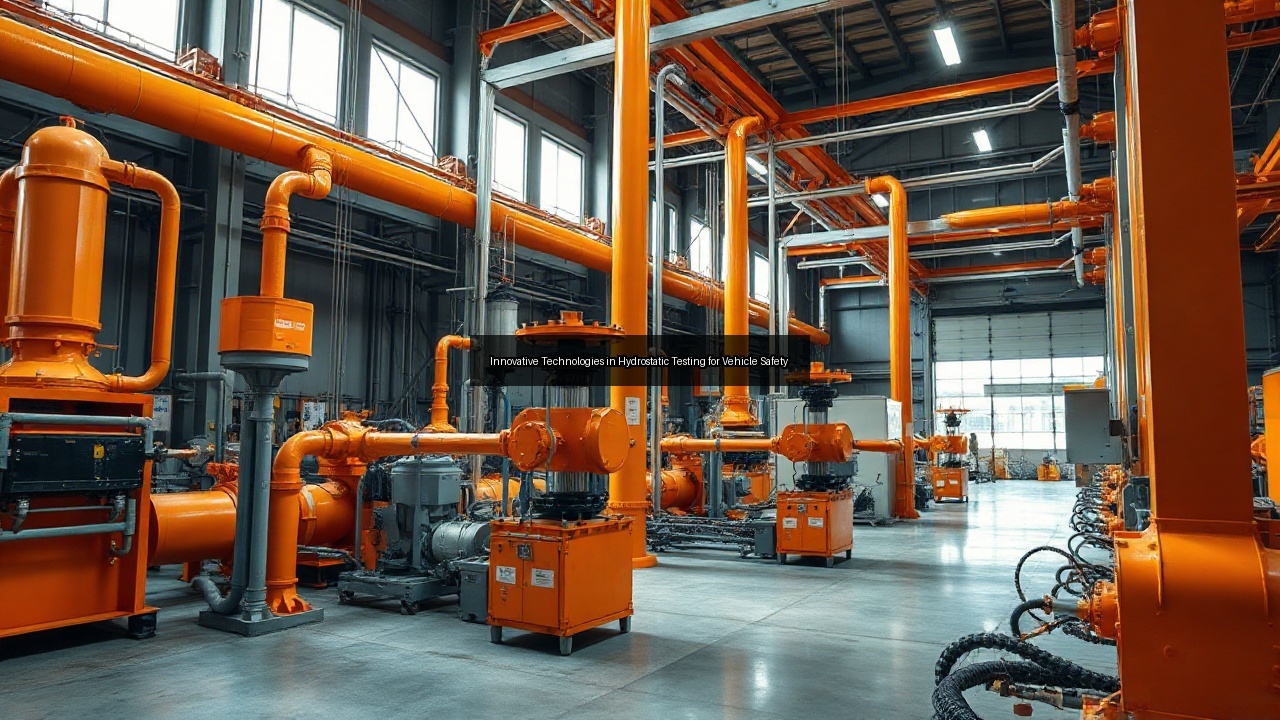
Understanding Hydrostatic Testing Technologies
Overview of Hydrostatic Testing
Hydrostatic testing involves using water or other fluids to test the integrity and strength of a vessel or pipeline. This process measures how well a structure can withstand internal pressure. It provides critical insights into potential leaks or weaknesses that could compromise safety. In various industries, from oil and gas to aerospace, hydrostatic testing ensures that equipment operates safely under high-pressure conditions. Companies specializing in hydrostatic testing employ a range of techniques and tools to assess structural integrity, making this process vital for maintaining operational safety and compliance.
Importance of Hydrostatic Pressure in Vehicle Safety
Hydrostatic pressure plays a crucial role in vehicle safety by ensuring that components can withstand the forces encountered during operation. Vehicles, particularly those designed for high-stress environments like construction and energy sectors, must endure significant pressure without failing. Hydrostatic testing validates that tanks, pipes, and other critical components meet safety standards. Failures in these systems can lead to catastrophic accidents, making hydrostatic pressure testing an essential part of the quality assurance process. Manufacturers focus on this testing to deliver vehicles that not only meet regulatory standards but also prioritize user safety.
Key Fluids Used in Hydrostatic Testing
The choice of fluids in hydrostatic testing significantly impacts the reliability and effectiveness of the tests. Water is the most common fluid due to its availability and low cost, but it can lead to corrosion in certain materials. Specialized chemical additives can enhance water's properties, improving the testing process. Other fluids, such as oil or non-corrosive liquids, are also used depending on the specific requirements of the equipment being tested. Hydrostatic testing companies often tailor their fluid selection based on the material of the vessel, the type of pressures involved, and the specific industry standards applicable to the testing scenario.
Innovative Techniques in Hydrostatic Testing
Advancements in Hydro Testing Equipment
Recent advancements in hydro testing equipment have significantly enhanced the efficiency and accuracy of hydrostatic testing. Modern systems incorporate digital pressure gauges, automated filling and draining systems, and advanced data recording capabilities. These innovations allow technicians to monitor pressure levels in real-time, ensuring precise measurements. Enhanced safety features, such as automatic shut-off valves and pressure relief systems, protect both the equipment and operators. Companies specializing in hydrostatic pressure testing now utilize portable testing units, which can be deployed on-site, reducing downtime and improving operational efficiency in the oil and gas industry, construction, and more.
Integration of Automation and Software in Testing Processes
Automation and software integration revolutionize hydrostatic testing processes. Automated systems reduce human hydrostatic pressure test company error and enhance accuracy by employing algorithms that manage pressure application and data collection. Advanced software solutions analyze test results, providing detailed reports that highlight potential issues and compliance with safety standards. This integration streamlines workflow, allowing testing companies to handle larger volumes of tests while maintaining high levels of precision. Furthermore, data analytics can predict maintenance needs, helping companies in the oil and gas sector or vehicle manufacturing stay hydrostatic pressure testing companies ahead of potential failures, ultimately enhancing safety and reducing costs.
Utilization of Nitrogen in Pressure Testing
Nitrogen is increasingly utilized in hydrostatic pressure testing as a safer alternative to traditional liquids. Using nitrogen allows for pneumatic testing, which involves applying gas pressure instead of liquid. This method presents various advantages, such as minimizing the risk of contamination and eliminating concerns related to fluid spills. Nitrogen's inert properties make it a safer choice for testing sensitive components in the aerospace and automotive industries. Additionally, nitrogen testing can be conducted in a controlled environment, providing accurate results while reducing the environmental impact associated with traditional hydrostatic testing methods.
Industry Applications and Compliance
Hydrostatic Testing in the Oil and Gas Industry
The oil and gas industry heavily relies on hydrostatic testing to ensure the safety and integrity of pipelines and storage tanks. Companies in this sector conduct regular testing to prevent leaks that could result in hazardous spills and environmental damage. Hydrostatic testing verifies that pipelines can withstand high pressures during operation, which is crucial when transporting volatile substances. Compliance with industry regulations mandates rigorous testing protocols, and organizations often work with hydrostatic testing firms that specialize in this field. This collaboration ensures that testing meets the stringent safety standards required for operational approval.
Role of Hydrostatic Testing in Vehicle Manufacturing
Vehicle manufacturing integrates hydrostatic testing into its quality control processes. Manufacturers use hydrostatic pressure testing to validate that fuel tanks, hydraulic systems, and other components can withstand operational pressures without leaking. This testing not only ensures compliance with safety regulations but also enhances product reliability. A rigorous hydrostatic testing regime helps manufacturers identify weak spots in design or materials, allowing for timely adjustments before vehicles reach consumers. Companies in the automotive sector understand that rigorous testing directly correlates to consumer trust and brand reputation, making hydrostatic testing an essential part of the manufacturing process.
Regulatory Standards for Hydrostatic Testing in Construction and Aerospace
Regulatory standards for hydrostatic testing vary across industries, particularly in construction and aerospace. Compliance with these regulations guarantees that structures can endure operational stresses and environmental conditions. In construction, hydrostatic testing ensures the integrity of pipes and tanks used in various projects, while in aerospace, it validates components subjected to extreme pressures and temperatures. Regulatory bodies often mandate specific testing protocols, and companies must work closely with hydrostatic testing experts to ensure adherence. Understanding these regulations is essential for companies looking to maintain industry certifications and uphold safety standards across their operations.
Choosing the Right Hydrostatic Testing Company
Factors to Consider When Selecting a Testing Firm
Selecting the right hydrostatic testing company is critical for ensuring quality and safety. Key factors to consider include the company's experience and expertise in the specific industry—be it oil and gas, aerospace, or construction. Certifications and compliance with regulatory standards are also paramount. Companies should evaluate the testing technologies employed, as advanced equipment ensures more accurate results. Client testimonials and case studies can provide insights into the company's reliability and service quality. Finally, consider the company’s ability to provide customized solutions tailored to specific testing needs, as this can enhance the effectiveness of hydrostatic pressure testing.
Top Hydrostatic Testing Companies in the Market
Several hydrostatic testing companies stand out in the industry due to their expertise and innovative approaches. Companies like Intertek, SGS, and Bureau Veritas have established reputations for providing comprehensive testing services that adhere to international standards. These firms offer a range of hydrostatic testing solutions tailored to various sectors, including oil and gas, construction, and aerospace. Their advanced testing methodologies and commitment to safety make them leaders in the field. Collaborating with top hydrostatic testing companies ensures rigorous validation processes, enhancing the safety and reliability of critical systems and components.
Future Trends in Hydrostatic Testing Services
The future of hydrostatic testing services points towards greater automation and eco-friendliness. Emerging technologies, such as IoT devices and remote monitoring systems, will transform how testing is conducted, allowing for real-time data analysis and management. Companies will increasingly focus on reducing environmental impact by adopting sustainable practices and utilizing non-toxic fluids for testing. The integration of artificial intelligence in data analytics will enhance predictive maintenance capabilities, allowing businesses to address potential issues before they escalate. As industries evolve, hydrostatic testing firms will adapt, continuing to prioritize safety while embracing innovation in their service offerings.
See Also
- Why Hydrostatic Testing is Essential for Gas and Chemical Pipelines
- Behind the Scenes of Hydrostatic Testing Companies in the Energy Sector
- Top Hydrostatic Testing Firms Revolutionizing Pressure Validation
- Hydrostatic Pressure Testing Companies You Can Trust for Quality Assurance
- Hydrostatic Testing and Its Role in Preventing Pipeline Failures