Innovative Duct Fabrication Methods to Improve Air Quality
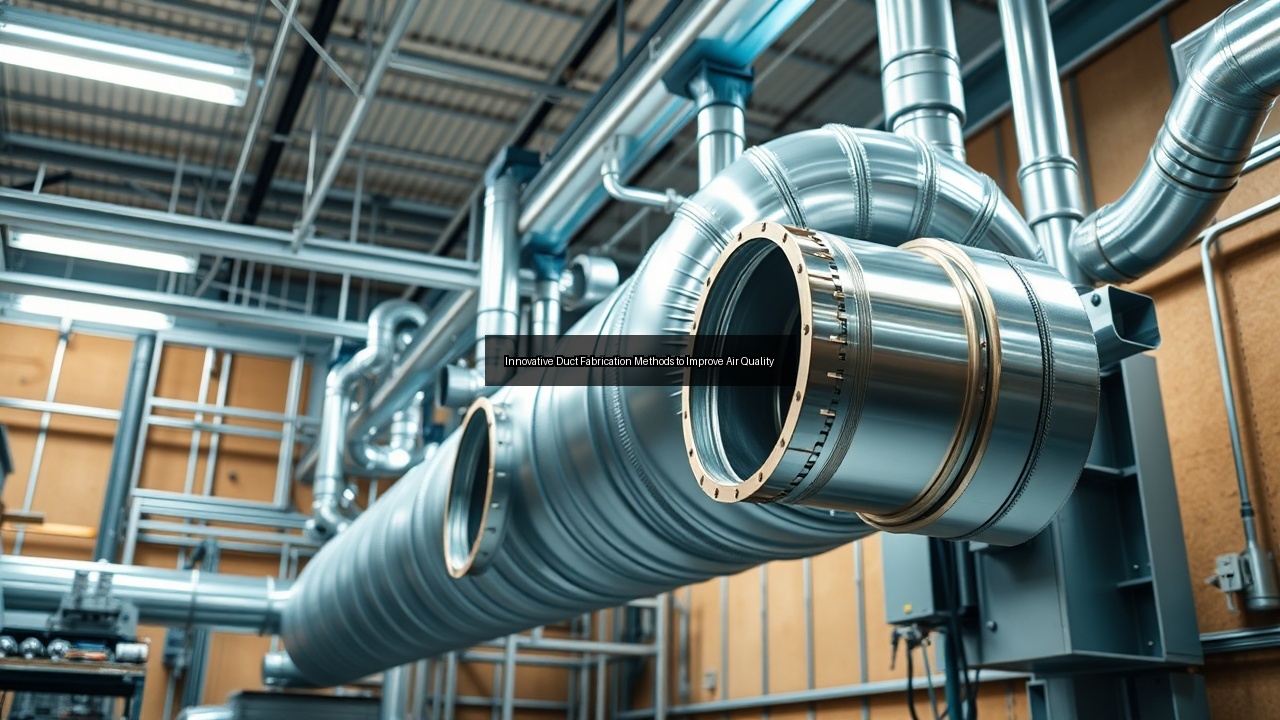
Understanding the Importance of Ductwork Fabrication
The Role of Ducts in HVAC Systems
Ducts play a crucial role in HVAC systems, serving as the primary conduits for distributing heated or cooled air throughout a building. These air ducts facilitate efficient airflow, ensuring that every room maintains a comfortable temperature. Properly designed duct systems not only enhance thermal comfort but also contribute to energy efficiency. When air flows smoothly through well-fabricated ducts, it minimizes energy consumption and reduces strain on HVAC equipment. This efficiency helps prevent frequent repairs and extends the lifespan of the entire system.
Impact of Airflow on Indoor Air Quality
Airflow significantly impacts indoor air quality (IAQ). Poorly designed ducts can lead to uneven airflow, creating hotspots and cold zones, which can trap pollutants and allergens. Contaminated air circulating through inefficient ductwork can exacerbate respiratory issues and negatively affect overall health. Quality ductwork fabrication addresses these issues by ensuring that ducts are appropriately sized and shaped, allowing for optimal airflow. Effective airflow helps dilute indoor pollutants, leading to a healthier indoor environment for occupants. Understanding this connection emphasizes the need for meticulous ductwork fabrication to safeguard air quality.
Benefits of Quality Duct Fabrication
Investing in quality ductwork fabrication yields multiple benefits. Well-fabricated ducts enhance airflow, thereby optimizing HVAC system performance. This improvement leads to lower energy bills and increased comfort levels in indoor spaces. Furthermore, high-quality materials and precise fabrication processes reduce the likelihood of air leaks, which can waste energy and diminish system efficiency. Additionally, properly fabricated ducts can reduce noise levels associated with HVAC systems. Overall, quality duct fabrication not only supports energy efficiency but also promotes a healthier, quieter environment, showcasing its importance in modern building practices.
Innovative Techniques in Duct Fabrication
Advanced Manufacturing Processes for Ducts
Advanced manufacturing processes revolutionize duct fabrication, enabling the production of highly efficient and precise duct systems. Techniques such as laser cutting and CNC machining allow for the creation of intricate designs and custom shapes that traditional methods cannot achieve. These innovations lead to tighter tolerances and better-fitting ducts, which minimize air leaks and enhance overall system performance. Additionally, automation in manufacturing reduces labor costs and increases production speed, making it easier to meet the growing demand for high-quality duct systems. Embracing these advanced techniques ensures that ductwork meets modern standards for efficiency and effectiveness.
Utilizing CAD for Precision Duct Design
Computer-aided design (CAD) technology plays a pivotal role in duct fabrication. By utilizing CAD, designers can create intricate 3D models of duct systems, allowing for precise adjustments before physical fabrication begins. This level of detail ensures that the ductwork fits seamlessly within the existing architectural framework, reducing the need for costly modifications during installation. Furthermore, CAD software enables easy collaboration among engineers, architects, and manufacturers, streamlining the design process. The result is a more efficient duct system that enhances airflow and improves indoor air quality, demonstrating the importance of technology in modern ductwork fabrication.
Eco-Friendly Materials in Duct Fabrication
Incorporating eco-friendly materials into duct fabrication promotes sustainability and aligns with growing environmental concerns. Manufacturers now explore options such as recycled metals and non-toxic insulation materials to reduce the ecological footprint of duct systems. These materials not only minimize environmental impact but also enhance the durability and performance of air ducts. For instance, using recycled sheet metal for ductwork reduces waste and energy consumption in production. Additionally, non-toxic insulation helps maintain healthy indoor air quality by preventing harmful off-gassing. The shift towards sustainable materials in duct fabrication reflects a broader commitment to environmental stewardship in the HVAC industry.
Enhancing Air Quality Through Duct Design
Optimizing Duct Length and Size for Better Airflow
Optimizing duct length and size is critical for improving airflow and maintaining indoor air quality. Oversized or undersized ducts can lead to inefficiencies, causing the HVAC system to work harder than necessary. Accurate calculations during the ductwork fabrication process help determine the ideal dimensions based on the specific requirements of the space. Properly sized duct systems facilitate smooth airflow, reducing noise and energy consumption. Moreover, optimizing duct length minimizes pressure drops that can occur in longer ducts, thus ensuring that conditioned air reaches every corner of the building. This attention to detail in duct design significantly enhances air quality and system performance.
Reducing Contaminants in Air Ducts
Contaminants in air ducts pose a serious risk to indoor air quality. Dust, mold, and allergens can accumulate in poorly maintained ducts, leading to health issues for occupants. Innovative duct fabrication techniques focus on designing systems that minimize these risks. For instance, using smooth-walled duct materials reduces the likelihood of debris accumulation. Regular maintenance and cleaning also play a vital role in keeping duct systems free from contaminants. Implementing high-efficiency air filters in conjunction with quality ductwork fabrication further improves air quality by trapping pollutants before they circulate through the system. This comprehensive approach ensures a healthier indoor environment.
Integrating Smart Technology in Duct Systems
Integrating smart technology into duct systems represents the future of HVAC design. Intelligent sensors can monitor airflow, temperature, and humidity levels in real-time, allowing for automatic adjustments to optimize comfort and efficiency. Smart thermostats can communicate with duct systems to ensure even air distribution, reducing energy waste. Additionally, advanced filtration systems equipped with smart technology can alert homeowners when it's time to change filters, maintaining optimal indoor air quality. By combining innovative ductwork fabrication with smart technology, HVAC systems can achieve unprecedented levels of efficiency and effectiveness, addressing both comfort and health concerns.
Selecting the Right Duct Fabrication Services
Evaluating Ductwork Fabrication Providers
Choosing the right ductwork fabrication services is essential for achieving high-quality results. Begin by researching the provider's reputation and experience in the industry. Look for customer reviews and case studies that highlight successful projects. A reliable fabrication service should offer a range of options tailored to specific needs, including custom designs and eco-friendly materials. Additionally, inquire about the manufacturing processes used, as advanced techniques and technology can significantly impact the quality of the final product. Evaluating these factors will help ensure that the chosen provider delivers durable, efficient, and effective duct systems.
Key Features of Effective Duct Systems
Effective duct systems share several key features that contribute to optimal performance. First, proper insulation minimizes energy loss and enhances HVAC efficiency. Next, airtight construction prevents leaks, ensuring that conditioned air reaches its intended destination without waste. Additionally, an effective duct system is designed for easy maintenance, with accessible service points for cleaning and inspections. The arrangement of ducts should also facilitate balanced airflow throughout the space, enhancing indoor comfort. By understanding these features, homeowners and builders can make informed decisions when selecting ductwork fabrication services that meet their specific needs.
Cost Considerations and Calculators for Duct Fabrication
Cost considerations play a significant role in ductwork fabrication planning. Various factors influence the overall expense, including material selection, design complexity, and installation requirements. Utilizing duct fabrication calculators can help estimate costs accurately, allowing for better budgeting and project planning. These calculators consider variables such as duct length, size, and materials, providing a clearer picture of expected expenses. It’s crucial to balance cost with quality; opting for cheaper materials or services may lead to higher long-term expenses due to inefficiencies and repairs. Ultimately, investing in quality ductwork fabrication pays off in energy savings and improved indoor air quality.