How to Ensure Quality Assurance in Skid Fabrication Projects
Understanding Skid Fabrication Projects
Overview of Modular Process Skids
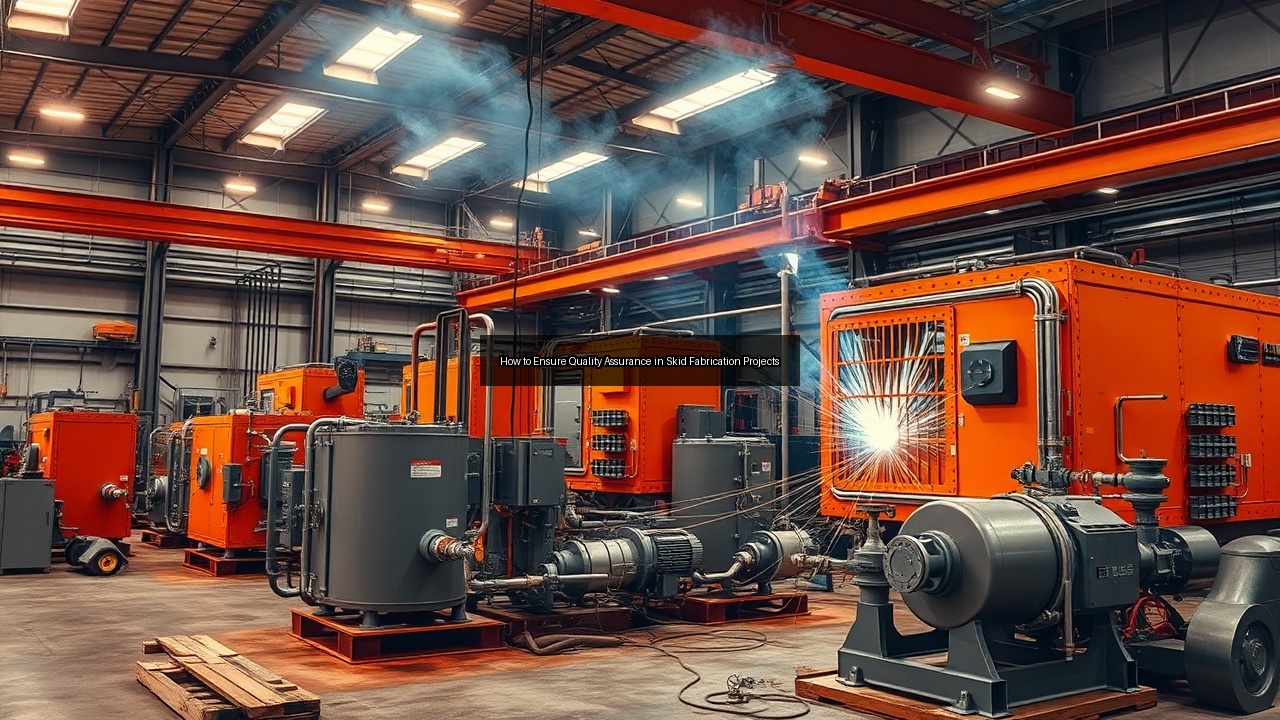
Modular process skids represent an innovative approach to manufacturing and construction, providing a compact and efficient solution for various industries, including the oil and gas sector. These pre-assembled units encompass all necessary components such as pumps, valves, and instrumentation, enabling rapid deployment and streamlined installation. The design of modular process systems allows for easy scalability and flexibility, catering to the unique requirements of each project. This versatility makes modular skids an attractive option for businesses looking to optimize their operations while minimizing downtime and labor costs. Understanding the fundamental principles of skid fabrication is essential for achieving high-quality outcomes in these projects.
Importance of Quality in Skid Fabrication
Quality assurance in skid fabrication is paramount. Ensuring that each component meets stringent standards directly impacts the performance, safety, and longevity of the entire system. Flaws in manufacturing can lead to costly failures, operational inefficiencies, and potential safety hazards. High-quality fabrication not only enhances system reliability but also fosters trust between manufacturers and clients. In the competitive landscape of modular skid fabrication, companies that prioritize quality through rigorous testing and inspection stand out. A commitment to quality resonates through the entire fabrication custom skid fabrication process, influencing design, welding, and the selection of materials. Ultimately, investing in quality translates into enhanced customer satisfaction and long-term success.
Key Components of Skid Fabrication
Skid fabrication involves several critical components that work in harmony to create a functional and efficient system. These components include structural frames, piping systems, and control systems, all of which must be meticulously designed and manufactured. The structural frame provides stability and support, while the piping system facilitates the flow of fluids and gases. Control systems, often equipped with advanced sensors and automation, ensure optimal operation and monitoring. Each component plays a vital role in the overall performance of modular skids. Therefore, a thorough understanding of these elements and their interactions is essential for anyone involved in skid fabrication projects.
The Fabrication Process: Steps to Ensure Quality
Design Phase Considerations
The design phase is critical in the skid fabrication process. Engineers must consider various factors, including the intended application, environmental conditions, and regulatory requirements. Effective design prioritizes functionality while ensuring that the skid can withstand operational stresses. Utilizing advanced design software allows for precise modeling and simulation, reducing the likelihood of errors during fabrication. Collaboration among engineers, manufacturers, and end-users enhances the design process, ensuring all requirements are met. A robust design serves as the foundation for successful fabrication, directly influencing the quality of the final product. Attention to detail during this phase can prevent costly modifications later in the process.
Welding Techniques for Quality Assurance
Welding serves as a cornerstone of skid fabrication, providing the necessary structural integrity to modular systems. Employing the right welding techniques is crucial for achieving quality assurance. Various methods, such as TIG, MIG, and stick welding, each offer unique advantages depending on the materials and design specifications. Skilled welders must adhere to strict standards to ensure strong, leak-free joints. Regular training and certification can help maintain high welding standards, fostering a culture of quality within the fabrication shop. Implementing thorough inspection protocols, such as non-destructive testing, further enhances quality assurance, identifying potential issues before they escalate into significant problems.
Machining and Material Selection
Machining and material selection play pivotal roles in skid fabrication quality. Choosing the right alloys and materials ensures durability and resistance to environmental factors, such as corrosion and temperature fluctuations. Common materials include stainless steel and carbon steel, known for their strength and resilience. During the machining process, precision is paramount; even minor inaccuracies can compromise the entire system's performance. Advanced machining technologies, such as CNC machining, enable high precision and repeatability, reducing human error. By integrating quality control measures throughout machining and material selection, manufacturers can enhance overall product quality and performance.
Role of Technologies in the Fabrication Process
Technological advancements have transformed the skid fabrication landscape, enhancing efficiency and quality. Automation and robotics streamline various processes, reducing labor costs and increasing precision. Computer-aided design (CAD) and computer-aided manufacturing (CAM) systems allow for more effective planning and execution, leading to improved designs and faster production times. Additionally, emerging technologies like 3D printing and additive manufacturing are beginning to play a role in custom skid fabrication, enabling the creation of complex geometries that traditional methods may struggle to achieve. Embracing these technologies ensures manufacturers remain competitive while maintaining a strong focus on quality assurance.
Quality Management Practices in Skid Fabrication
Implementing Quality Control Measures
Robust quality control measures are essential for ensuring high standards in skid fabrication. This process begins with defining clear quality criteria at the outset of a project. Throughout the fabrication journey, regular inspections and testing help identify deviations from these standards early on. Employing systematic quality management practices, such as ISO certification, enhances credibility and demonstrates a commitment to quality. Incorporating feedback loops allows for continuous improvement, ensuring that lessons learned from each project inform future endeavors. By prioritizing quality control, companies can mitigate risks and enhance customer satisfaction, leading to repeat business and positive referrals.
Risk Management Strategies
Effective risk management strategies are vital in the skid fabrication industry. Identifying potential risks at every stage of the fabrication process enables manufacturers to implement proactive measures. Common risks include material defects, design flaws, and safety hazards. Conducting thorough risk assessments helps prioritize these issues based on their potential impact. Developing contingency plans ensures that teams are prepared to address challenges promptly, minimizing disruption. Additionally, fostering a culture of safety and awareness among employees enhances risk management efforts. By integrating risk management into quality assurance practices, manufacturers can safeguard their projects and maintain operational integrity.
The Importance of Safety Standards in Fabrication
Safety standards play a crucial role in skid fabrication, protecting both workers and the integrity of the final product. Compliance with industry regulations, such as those set by the Occupational Safety and Health Administration (OSHA), ensures a safe working environment. Regular training programs equip employees with the knowledge and skills necessary to adhere to safety protocols. Incorporating safety measures into the design and fabrication process, such as ergonomic workspaces and proper equipment handling, reduces the likelihood of accidents. Prioritizing safety not only protects employees but also enhances the overall quality of the fabrication process, fostering a culture of excellence.
Choosing the Right Skid Fabrication Company
Evaluating Manufacturer Capabilities
Choosing the right skid fabrication company is crucial for ensuring project success. Start by evaluating the skid fabrication services manufacturer’s capabilities, including their experience in the field, the range of services offered, and their technical expertise. A company with a proven track record in fabricating modular process skids demonstrates reliability and competence. Additionally, assess their production capacity and lead times; faster turnaround can be beneficial for projects with tight schedules. Visiting the fabrication shop and observing the processes in action provides valuable insights into their operational standards. This thorough evaluation contributes to making an informed decision that aligns with project goals.
Licensing and Certifications to Look For
Licensing and certifications offer reassurance regarding a skid fabrication company’s credibility and commitment to quality. Look for manufacturers with relevant industry certifications, such as ASME, API, or ISO standards. These certifications indicate adherence to recognized quality standards and best practices in fabrication. Additionally, ensure that the company holds the necessary licenses to operate in your specific industry, particularly in regulated fields like oil and gas. A certified manufacturer often invests in continuous training and improvement, ensuring their team remains at the forefront of industry advancements. Choosing a licensed and certified company minimizes risks associated with non-compliance and enhances project outcomes.
Cost Considerations and Budgeting for Quality
Cost considerations play a significant role in selecting a skid fabrication company. While price is an important factor, it should not overshadow the importance of quality. Cheaper options may compromise materials and craftsmanship, leading to long-term costs associated with repairs and replacements. Establish a clear budget that encompasses not only initial fabrication costs but also ongoing maintenance and operational expenses. Request detailed quotes from multiple manufacturers, allowing for a comprehensive comparison of services and value. Investing in high-quality skid fabrication ultimately pays dividends through improved performance, reduced downtime, and enhanced safety. Prioritizing quality over cost ensures a sustainable and successful long-term partnership.