Everything You Need to Know About Rotary Electrical Contacts
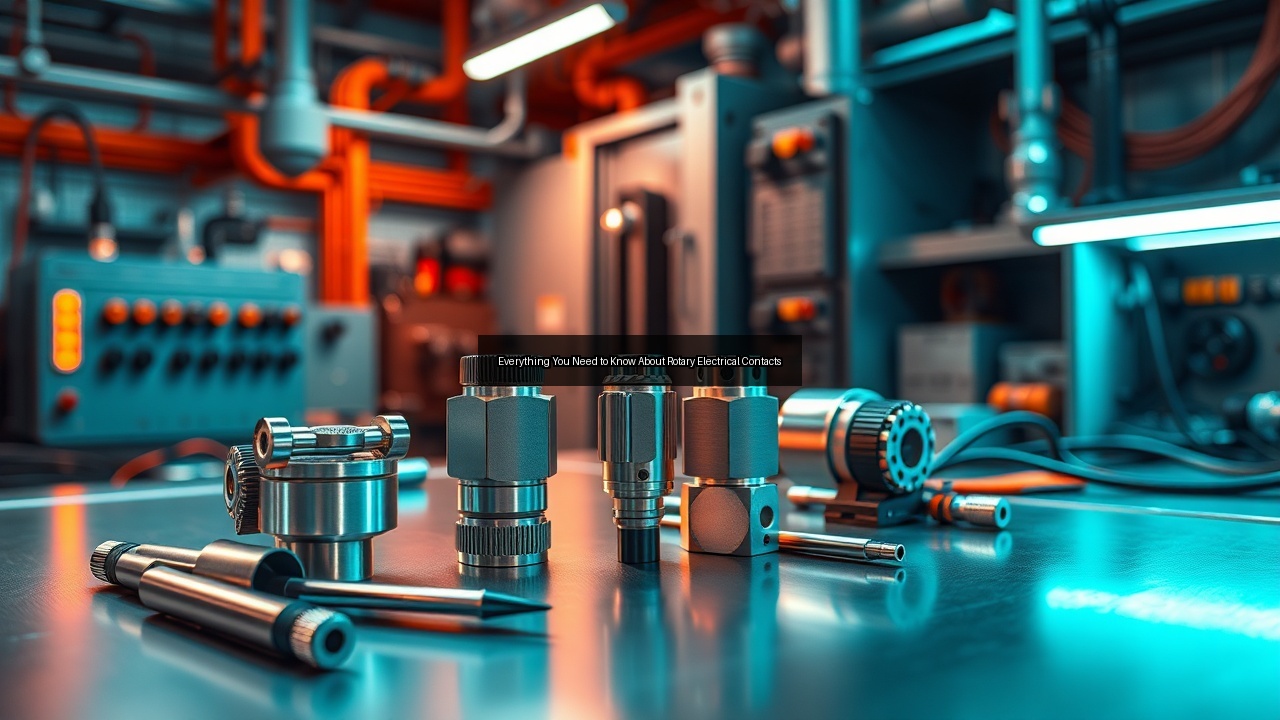
Understanding Rotary Electrical Contacts and Their Functionality
The Role of Rotary Electrical Connectors in Modern Applications
Rotary electrical connectors play a crucial role in various modern applications, facilitating uninterrupted electrical connections in devices that require continuous rotation. Industries such as robotics, manufacturing, and telecommunications rely heavily on these connectors for their ability to transmit power, data, and signals while allowing for free movement. The versatility of rotating electrical connectors enables their use in applications ranging from wind turbines to medical equipment, where reliability and efficiency are paramount.
These connectors come equipped with features that minimize wear and tear, ensuring a prolonged operational life. They maintain electrical continuity even under dynamic conditions, making them indispensable in environments where traditional connectors would fail. The integration of rotary electrical contacts enhances the functionality of machines, promoting smoother operations and reducing maintenance costs. As technology advances, the demand for efficient rotating electrical connectors continues to grow, showcasing their significance across diverse sectors.
Key Components of Rotary Electrical Contacts
Understanding the key components of rotary electrical contacts is essential for grasping how these connectors operate. At the heart of a rotary electrical connector lies its slip ring, a critical element that allows for the transfer of electrical signals while the connector rotates. Slip rings come in various designs, including brush-type and contactless configurations, each serving specific application needs. The materials used in constructing these slip rings impact their performance and lifespan, with gold and silver commonly chosen for their excellent conductivity and resistance to corrosion.
In addition to slip rings, other vital components include the rotor and stator, which form the rotating and stationary parts of the connector. The rotor connects to the moving part of the device, while the stator remains fixed. This configuration prevents tangling of wiring and provides a secure connection. Additionally, the housing material of rotary electrical connectors must withstand environmental factors such as dust, moisture, and temperature fluctuations. Understanding these components helps users select the right connectors based on their specific needs and operational conditions.
How Slip Rings Enhance Performance
Slip rings serve as the backbone of rotary electrical connectors, significantly enhancing their performance. By facilitating the transfer of power and signals without interrupting the rotation, slip rings allow for seamless operation in dynamic environments. Their design minimizes friction, which reduces wear and tear, ultimately prolonging the life of both the connector and the connected equipment. The choice of slip ring design, whether brush-based or contactless, can greatly influence the efficiency of power transmission, especially in high-speed applications.
Moreover, slip rings improve the integration of various technologies, including data transmission and wireless technology, into rotary electrical connectors. This adaptability allows machines to operate more effectively, as they can handle multiple data channels simultaneously. The incorporation of slip rings into rotary electrical contacts also supports high voltage applications, ensuring that users can safely transmit high levels of electricity without risk. Ultimately, the performance of rotating electrical connectors hinges on the quality and design of their slip rings, making them a critical consideration in any application requiring rotational movement.
Types of Rotating Electrical Connectors
Overview of Different Types of Rotary Connectors
Rotating electrical connectors come in various types, each designed to meet specific operational needs. The most common types include slip rings, rotary switches, and multi-channel connectors. Slip rings allow for the continuous flow of electrical current while enabling rotational motion, making them ideal for applications where uninterrupted power is crucial. Rotary switches, on the other hand, enable the selection between multiple circuits, providing flexibility in electrical connections. Multi-channel connectors are designed for systems requiring the transfer of multiple signals, such as data and power, simultaneously.
In addition to these types, connectors can vary based on their specific usage, such as those designed for high voltage or high-speed applications. Understanding the different types of rotary electrical connectors helps users select the most appropriate solution for their needs. Each design prioritizes aspects like durability, electrical capacity, and environmental resilience, ensuring optimal performance in diverse settings. Users must consider factors such as application requirements and operating conditions when choosing among these various types of rotary connectors.
Linear Taper vs. Standard Connectors
Linear taper and standard connectors represent two distinct categories of rotary electrical connectors, each with its unique advantages. Linear taper connectors provide a gradual change in resistance or output as they rotate, making them suitable for applications requiring precise control, such as volume adjustments in audio equipment. This type of connector allows for smooth transitions and minimizes abrupt changes, offering a more refined user experience.
In contrast, standard connectors operate on a fixed resistance principle, providing a binary output. They are often favored in applications where simple on/off functionality is sufficient, such as in lighting systems. When choosing between linear taper and standard connectors, consider the specific requirements of your application. Linear taper connectors excel in precision applications, while standard connectors offer reliability and simplicity, ensuring users have the right tool for the job.
High Voltage Applications and Their Requirements
High voltage applications necessitate specialized rotary electrical connectors designed to handle substantial electrical loads safely. These connectors must possess robust insulation materials to prevent arcing and ensure safety during operation. The design of high voltage rotating electrical connectors often includes features such as reinforced housings and enhanced sealing to protect against environmental factors like moisture and dust.
When selecting connectors for high voltage applications, consider factors like current capacity, voltage ratings, and environmental conditions. It is crucial to choose connectors that comply with relevant safety standards to prevent failures and ensure operational integrity. Additionally, effective wiring practices contribute to the overall safety and reliability of high voltage systems. By carefully evaluating these requirements, users can select the appropriate rotating electrical connectors to meet their high voltage needs while maintaining efficiency and safety.
Performance Considerations for Rotating Electrical Connectors
Speed and Reliability: What You Need to Know
Speed and reliability stand as critical performance considerations for rotating electrical connectors. The ability to maintain a stable electrical connection during high-speed operations is vital in applications such as robotics and manufacturing. Performance hinges on the design of the connector and its components, particularly the slip rings. High-quality slip rings ensure minimal resistance and heat generation, which helps maintain overall performance even at elevated speeds.
Reliability extends beyond mere speed; it encompasses the connector's ability to withstand environmental stresses, such as vibration and temperature fluctuations. Opting for connectors with proven durability can reduce maintenance costs and downtime, enhancing productivity. Regular inspections and maintenance of rotating electrical connectors can also help identify potential issues before they escalate, ensuring consistent performance over time. Ultimately, understanding the interplay between speed and reliability allows users to select connectors that meet their operational demands effectively.
Impact of Wireless Technology on Connector Design
Wireless technology has significantly influenced the design of rotating electrical connectors. As industries move towards automation and smart technologies, the demand for connectors that can integrate seamlessly with wireless systems has grown. This evolution has led to the development of hybrid connectors that combine traditional wired connections with wireless capabilities. Such designs allow for the transfer of data and power without the constraints of physical wiring, offering greater flexibility and efficiency.
The integration of wireless technology into rotating electrical connectors also presents challenges, such as ensuring signal integrity and minimizing interference. Manufacturers address these challenges by incorporating advanced materials and shielding techniques to enhance performance. As wireless technology continues to evolve, so too will the design and functionality of rotating electrical connectors, paving the way for innovative solutions that meet the demands of modern applications.
Choosing the Right Adapter for Your Needs
Selecting the right adapter for rotating electrical connectors is essential for ensuring compatibility and functionality. Adapters serve as a bridge between different connector types, allowing users to maintain seamless electrical connections across various equipment. When choosing an adapter, consider factors like voltage ratings, current capacity, and environmental conditions. An appropriate adapter enhances the reliability and performance of the overall system.
Additionally, understanding the specific requirements of your application can guide the selection process. For example, in high voltage applications, opt for adapters specifically designed to handle substantial electrical loads safely. The right adapter not only optimizes the performance of rotating electrical connectors but also contributes to system safety and efficiency. By prioritizing the appropriate specifications and compatibility, users can make informed decisions that enhance operational success.