Exploring the Interface Between Dedicated Outdoor Air Systems and Modern Air Conditioning
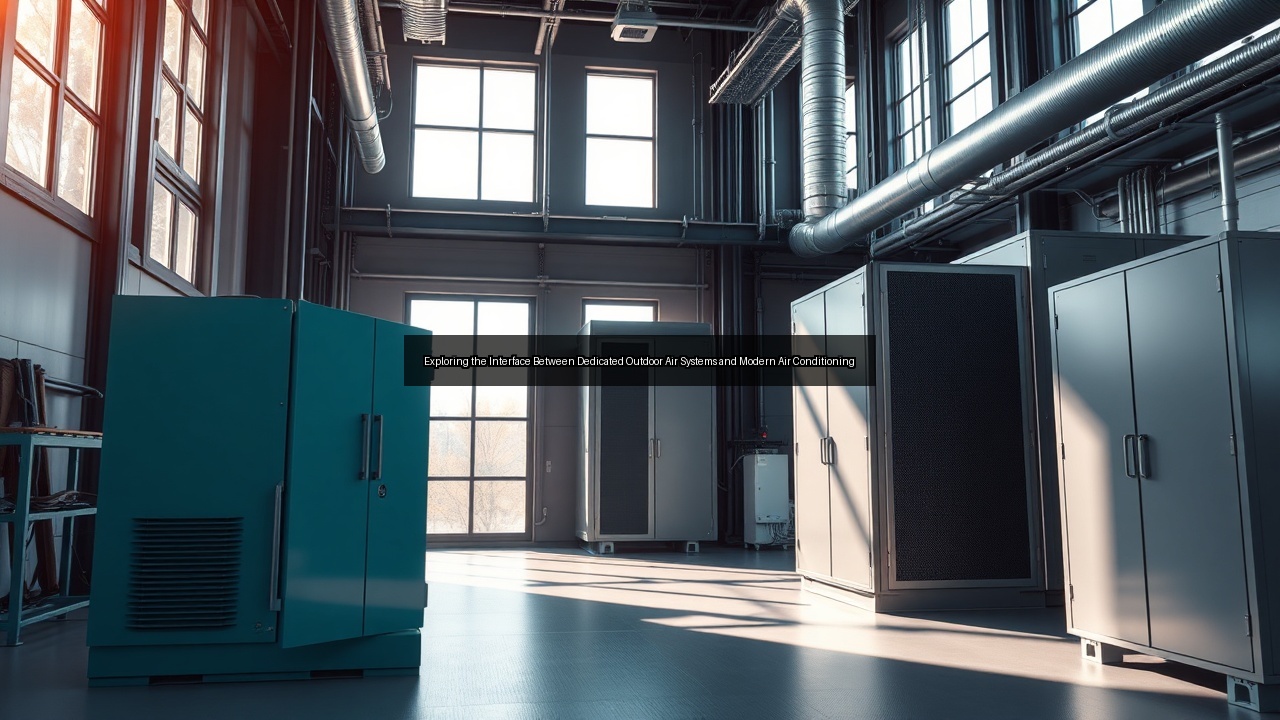
Understanding Dedicated Outdoor Air Systems (DOAS)
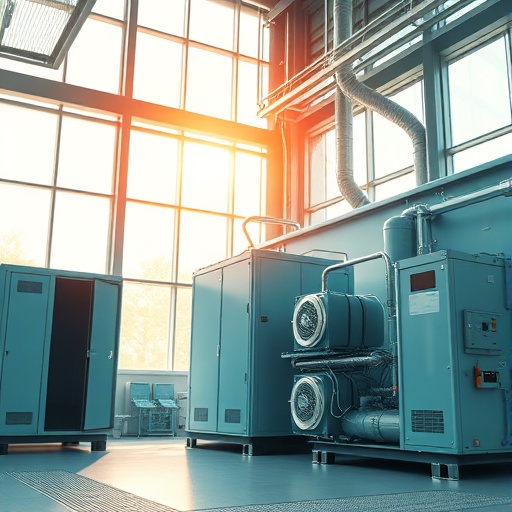
Defining the Role of DOAS in Modern HVAC
Dedicated outdoor air system units supply conditioned fresh air directly to spaces while air conditioning equipment handles internal temperature control. This separation allows precise management of both ventilation and thermal loads, ensuring that outdoor air requirements are met without compromising humidity or temperature setpoints. In contrast to conventional mixed-air systems that blend return and outdoor air within a single rooftop unit or air handler, DOAS units deliver 100 percent outdoor air that has been filtered, cooled or heated, and dehumidified before distribution. The result is improved indoor air quality, reduced risk of mold growth, and compliance with ventilation standards such as ASHRAE 62.1 without over-ventilating conditioned spaces.
Historically, buildings relied on central air handlers sized to accommodate both sensible and latent loads plus ventilation air. As energy codes tightened and awareness of indoor environmental quality grew, engineers recognized that decoupling these functions could yield substantial efficiency gains. DOAS emerged as a targeted solution that treats the latent load—primarily moisture removal—separately from the sensible load handled by variable-refrigerant-flow systems, chilled beams, or radiant panels. This approach prevents the common problem of overcooling to achieve dehumidification, a practice that wastes energy and creates occupant discomfort through cold, clammy conditions.
How DOAS Integrates with Building HVAC Systems
Integration begins with accurate load calculations that isolate the outdoor air portion from internal gains. A DOAS unit preconditions 100 percent outdoor air to a supply condition typically between 50 and 55 degrees Fahrenheit dew point, then delivers it through dedicated ductwork directly to each zone or to the return side of local terminal units. Local cooling equipment—such as fan coils, chilled beams, or variable-air-volume boxes—then modulates only to offset sensible heat from occupants, lighting, and equipment. Because the DOAS handles the entire latent load, the local equipment can be downsized by 20 to 40 percent, lowering first cost and ongoing energy use. Controls coordinate the two systems through building automation platforms that adjust outdoor airflow based on occupancy sensors, CO2 readings, or demand-controlled ventilation algorithms.
Core Components and Technical Features
Modern DOAS equipment incorporates several specialized components. High-efficiency filters, often MERV-13 or higher, capture particulates and allergens at the intake. Energy-recovery devices such as enthalpy wheels, plate heat exchangers, or heat pipes transfer sensible and latent energy between exhaust and incoming airstreams, reducing the cooling or heating burden by up to 80 percent in many climates. Dehumidification coils paired with hot-gas reheat or desiccant wheels maintain tight humidity control. Variable-speed compressors and electronically commutated motors enable the unit to match fluctuating ventilation demands while minimizing fan and compressor energy. Advanced controls monitor entering and leaving conditions, frost protection for energy-recovery sections, and fault detection to maintain performance across seasons.
Advantages, Energy Performance, and Sustainability
DOAS delivers multiple measurable benefits. Ventilation effectiveness improves because every space receives code-required outdoor air without dilution from recirculated return air. Humidity is controlled independently, virtually eliminating condensation on surfaces and within ductwork. Energy modeling consistently shows 15 to 30 percent reductions in HVAC energy compared with traditional systems, driven by smaller equipment sizes, recovered energy, and the ability to operate local cooling devices at higher evaporator temperatures. From a sustainability perspective, DOAS supports LEED, WELL, and IgCC certification goals by enhancing indoor environmental quality metrics and lowering source energy consumption. When paired with electrification strategies, DOAS units using low-global-warming-potential refrigerants further reduce a building’s carbon footprint.
Design Considerations, Codes, and Best Practices
Successful DOAS design requires attention to several factors. Duct routing must accommodate higher static pressures associated with 100 percent outdoor air, and supply air temperatures should be selected to avoid overcooling occupied zones. Noise from rooftop units or energy-recovery sections must be attenuated, particularly in schools and offices. Commissioning focuses on verifying airflow, dew-point performance, and integration with terminal-unit controls. Relevant codes and standards include ASHRAE 90.1 for energy efficiency, ASHRAE 170 for healthcare applications, and local mechanical codes that increasingly mandate demand-controlled ventilation. Designers also evaluate climate-specific strategies such as evaporative precooling in dry regions or desiccant dehumidification in humid coastal areas.
Applications Across Building Types and Future Outlook
DOAS has been successfully deployed in K-12 schools to meet high ventilation rates while controlling humidity during summer sessions; in hospitals to isolate infectious disease wards; in laboratories requiring precise pressurization; and in open-plan offices seeking both energy savings and occupant comfort. Emerging trends include integration with smart sensors for real-time IAQ dashboards, use of low-charge refrigerant systems, and hybrid configurations that combine DOAS with heat-pump-driven radiant systems. As building performance standards evolve toward net-zero energy and healthy-building mandates, dedicated outdoor air systems are expected to play an expanding role in both new construction and major retrofits.
See Also
- Cost-Effective Solutions for Implementing Dedicated Outdoor Air Systems in Your Facility
- Unlocking the Benefits of Dedicated Outdoor Air Systems for Enhanced Air Quality
- Why Every Business Should Consider Investing in a Dedicated Outdoor Air System
- How Dedicated Outdoor Air Systems Improve Energy Efficiency in Commercial Buildings